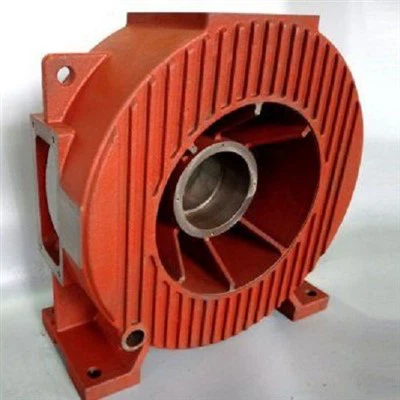
As a seasoned supplier of traction sheaves, I've witnessed firsthand the critical role these components play in the smooth and efficient operation of elevators. The durability of a traction sheave is not just a matter of mechanical integrity; it's a cornerstone of elevator safety, reliability, and long - term performance. In this blog, I'll share some in - depth insights on how to enhance the durability of a traction sheave.
Understanding the Traction Sheave
Before delving into durability enhancement strategies, it's essential to understand what a traction sheave is and how it functions. A traction sheave is a grooved pulley that interacts with the elevator ropes. It transfers the driving force from the motor to the ropes, enabling the elevator car to move up and down. The sheave's design, material, and surface condition directly impact its ability to grip the ropes effectively and withstand the stresses of continuous operation.
Material Selection
The choice of material for a traction sheave is the first and most fundamental step in ensuring its durability. High - quality cast iron is a popular choice due to its excellent wear resistance, high strength, and good machinability. Cast iron can withstand the high loads and friction generated during elevator operation. For example, gray cast iron with a proper graphite structure provides self - lubricating properties, reducing wear on both the sheave and the ropes.
Another option is steel, which offers even higher strength and toughness compared to cast iron. Alloy steels can be heat - treated to achieve specific hardness and wear - resistant properties. However, steel sheaves may require additional surface treatments to prevent corrosion, especially in humid or corrosive environments.


When selecting the material, it's also important to consider the compatibility with the elevator ropes. The material should have a suitable coefficient of friction to ensure proper grip without causing excessive wear on the ropes.
Surface Treatment
The surface of the traction sheave is in direct contact with the elevator ropes, so its condition is crucial for durability. One of the most effective surface treatments is hardening. Induction hardening, for instance, can increase the surface hardness of the sheave, making it more resistant to wear and deformation. This process involves heating the surface of the sheave to a high temperature using an induction coil and then rapidly cooling it.
Coating is another viable option. A hard chrome coating can provide excellent wear resistance and corrosion protection. The coating acts as a barrier between the sheave and the ropes, reducing friction and preventing the formation of rust. Additionally, ceramic coatings are becoming more popular due to their high hardness, low friction coefficient, and chemical stability.
Design and Manufacturing Precision
Precision in design and manufacturing is key to enhancing the durability of a traction sheave. The groove profile of the sheave must be accurately designed to match the shape of the elevator ropes. A well - designed groove ensures even distribution of the load across the rope surface, reducing stress concentrations and preventing premature wear.
During the manufacturing process, tight tolerances must be maintained. Any deviation in the dimensions of the sheave can lead to uneven rope wear and reduced performance. Advanced machining techniques, such as CNC machining, can ensure high - precision manufacturing. This technology allows for accurate control of cutting parameters, resulting in a sheave with smooth and precise surfaces.
Regular Maintenance and Inspection
Regular maintenance and inspection are essential for the long - term durability of a traction sheave. Maintenance should include cleaning the sheave surface to remove dirt, debris, and any contaminants that may cause abrasion. Lubrication of the ropes, if required, should be carried out in accordance with the manufacturer's recommendations.
Inspection should be performed at regular intervals to detect any signs of wear, such as groove wear, surface cracks, or deformation. Non - destructive testing methods, like ultrasonic testing or magnetic particle inspection, can be used to detect internal defects that may not be visible to the naked eye. If any issues are detected, timely repairs or replacements should be carried out to prevent further damage.
Compatibility with Other Components
The traction sheave does not operate in isolation; it is part of a larger elevator system. Ensuring its compatibility with other components, such as the Traction Machine Housing, Machine Bed, and Cast Iron Counterweight, is crucial for its durability.
For example, the alignment between the traction sheave and the motor shaft is essential. Misalignment can cause uneven loading on the sheave, leading to premature wear. The tension of the elevator ropes also needs to be properly adjusted to ensure that the load is evenly distributed across the sheave.
Environmental Considerations
The operating environment of the traction sheave can significantly affect its durability. In high - humidity environments, corrosion can be a major problem. In such cases, additional corrosion - protection measures, such as painting or using corrosion - resistant materials, should be taken.
In dusty or dirty environments, the sheave is more likely to be contaminated, which can increase wear. Installing protective covers or filters can help prevent the ingress of dust and debris.
Training and Education
Proper training and education for elevator maintenance personnel are vital for enhancing the durability of the traction sheave. Maintenance staff should be well - versed in the correct maintenance procedures, inspection techniques, and safety protocols. They should also be aware of the signs of potential problems and know how to respond appropriately.
Regular training sessions can keep the maintenance team updated on the latest technologies and best practices in elevator maintenance. This knowledge can help them identify and address issues before they become major problems, ultimately extending the lifespan of the traction sheave.
Conclusion
Enhancing the durability of a traction sheave requires a comprehensive approach that encompasses material selection, surface treatment, design and manufacturing precision, regular maintenance and inspection, compatibility with other components, environmental considerations, and training and education. By implementing these strategies, elevator operators can ensure the long - term reliability and performance of their elevator systems.
If you're in the market for high - quality traction sheaves or need more information on how to enhance their durability, I invite you to reach out for a procurement discussion. Our team of experts is ready to assist you in finding the best solutions for your elevator needs.
References
- "Elevator Technology Handbook" by XYZ Publishing.
- Journal of Elevator Engineering, various issues.
- Manufacturer's technical manuals for traction sheaves and related components.