Hey there! As a supplier of industrial gears, I've been in the thick of the industry for quite some time. One question that comes up a lot is, "What are the speed limitations of industrial gears?" Let's dig into this topic and break it down.
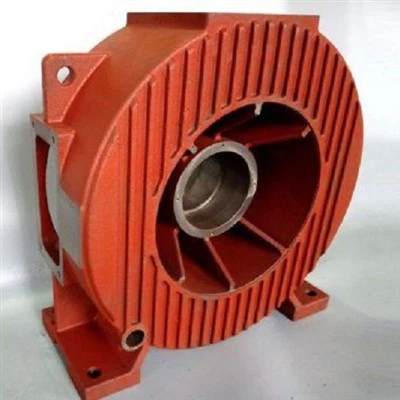
First off, it's important to understand that the speed limitations of industrial gears are influenced by a bunch of factors. One of the key factors is the material the gears are made from. For example, gears made from Grey Cast Iron Products have different speed capabilities compared to those made from other materials. Grey cast iron is known for its good damping properties, which can help reduce vibrations at relatively lower speeds. But as the speed increases, its limitations start to show. It may not be able to handle extremely high - speed applications due to its lower strength and higher brittleness compared to some other materials.
Another factor is the design of the gears. The tooth profile, pitch, and the overall geometry of the gear play a crucial role in determining its speed limit. A well - designed gear with the right tooth profile can transfer power more efficiently at higher speeds. For instance, helical gears are often used in high - speed applications because they have a more gradual engagement of teeth compared to spur gears. This reduces noise and vibration, allowing for higher operating speeds.
The lubrication of the gears is also a game - changer. Proper lubrication reduces friction between the gear teeth, which in turn reduces wear and heat generation. Without adequate lubrication, the gears can overheat at relatively low speeds. And as the speed increases, the risk of overheating and damage to the gears becomes even higher. So, using the right type of lubricant and ensuring proper lubrication maintenance is essential for achieving higher speed limits.
Now, let's talk about the load on the gears. The amount of force the gears need to transmit affects their speed limitations. If a gear is under a heavy load, it can't spin as fast as it would under a lighter load. High - load applications require gears that are more robust and can handle the stress. Mechanical Parts Castings can be designed to handle different levels of load, but even the sturdiest gears have their limits when it comes to speed under heavy loads.


The manufacturing quality of the gears is also a significant factor. Gears that are precisely machined and have tight tolerances can operate at higher speeds. Any imperfections in the gear teeth, such as uneven surfaces or incorrect tooth profiles, can cause vibrations and reduce the maximum speed at which the gear can operate safely. Grey Iron Casting Parts need to be made with high - precision manufacturing processes to ensure they can perform well at different speeds.
In general, the speed limitations of industrial gears can range from a few hundred revolutions per minute (RPM) to several thousand RPM. For example, in some simple conveyor systems, the gears may operate at relatively low speeds, say around 100 - 500 RPM. On the other hand, in high - speed machinery like turbines or some precision manufacturing equipment, the gears can reach speeds of 5000 RPM or even higher.
It's also important to note that different industries have different requirements when it comes to gear speed. The automotive industry, for example, needs gears that can handle a wide range of speeds, from low - speed torque for starting the vehicle to high - speed operation on the highway. In the aerospace industry, gears need to be able to operate at extremely high speeds while maintaining high reliability and precision.
As a supplier of industrial gears, I've seen firsthand how these factors interact to determine the speed limitations of gears. We work closely with our customers to understand their specific needs and design gears that can meet their speed requirements. Whether it's a small - scale application or a large - scale industrial project, we have the expertise to provide the right gears.
If you're in the market for industrial gears and want to discuss your speed requirements, don't hesitate to reach out. We're here to help you find the perfect gears for your application. Whether you need gears for a low - speed, high - torque application or a high - speed, precision - based system, we've got you covered. Let's have a chat and see how we can work together to meet your gear needs.
References
- Various industry reports on gear manufacturing and performance
- Technical manuals from leading gear manufacturers
- Research papers on the mechanics of gears and their speed limitations