As a seasoned supplier of Gearbox Components, I've witnessed firsthand the intricate interplay of various parts within a gearbox. One component that often goes unnoticed but plays a crucial role is the parking pawl. In this blog post, we'll explore the significance of the parking pawl in gearbox components, its functionality, and its impact on the overall performance of the vehicle.
Understanding the Parking Pawl
The parking pawl is a small but mighty component located within the gearbox of a vehicle. It is typically a metal rod or lever that engages with a notched gear or ratchet mechanism when the vehicle is placed in the "park" position. This engagement prevents the transmission from rotating, effectively locking the wheels in place and preventing the vehicle from rolling.
The parking pawl is an essential safety feature in modern vehicles, especially in automatic transmissions. It provides an additional layer of security when the vehicle is parked on an incline or decline, ensuring that the vehicle remains stationary even if the parking brake fails.
How the Parking Pawl Works
When the driver shifts the gear selector into the "park" position, a series of mechanical or electronic signals are sent to the gearbox. These signals activate a solenoid or hydraulic valve, which in turn moves the parking pawl into the notched gear or ratchet mechanism. Once engaged, the parking pawl prevents the transmission from rotating, effectively locking the wheels in place.
It's important to note that the parking pawl is not designed to hold the vehicle in place on its own. It is intended to work in conjunction with the parking brake, which provides the primary means of securing the vehicle when parked. The parking pawl should only be engaged after the parking brake has been applied and the vehicle has come to a complete stop.
The Role of the Parking Pawl in Gearbox Performance
The parking pawl plays a critical role in the overall performance of the gearbox. By preventing the transmission from rotating when the vehicle is parked, it helps to reduce wear and tear on the gears and other components within the gearbox. This can extend the lifespan of the gearbox and improve its reliability over time.


In addition to its role in preventing gearbox wear, the parking pawl also helps to improve the safety of the vehicle. By providing an additional layer of security when the vehicle is parked, it reduces the risk of the vehicle rolling away and causing an accident. This is especially important in situations where the parking brake may fail or be insufficient to hold the vehicle in place.
Common Issues with the Parking Pawl
Like any other component in the gearbox, the parking pawl can experience issues over time. One common problem is wear and tear on the pawl itself or the notched gear or ratchet mechanism it engages with. This can cause the pawl to become loose or misaligned, making it difficult or impossible to engage or disengage the parking pawl.
Another common issue is damage to the solenoid or hydraulic valve that controls the movement of the parking pawl. This can prevent the pawl from engaging or disengaging properly, leading to problems with the vehicle's parking system.
If you experience any issues with the parking pawl in your vehicle, it's important to have it inspected and repaired by a qualified mechanic as soon as possible. Ignoring these issues can lead to further damage to the gearbox and other components, as well as increase the risk of an accident.
Related Components in the Gearbox
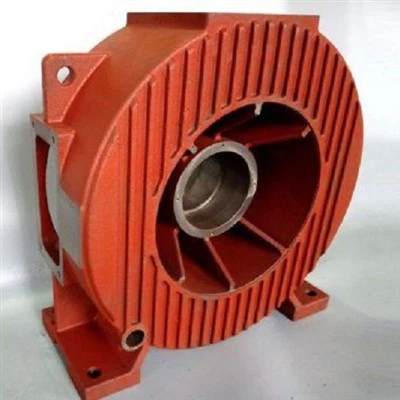
While the parking pawl is an important component in the gearbox, it is just one part of a complex system of components that work together to ensure the smooth operation of the vehicle. Other important components in the gearbox include the Traction Machine Housing, Sheave End Cover, and Cast Iron Counterweight.
The Traction Machine Housing is a critical component that houses the traction machine, which is responsible for driving the elevator car up and down the shaft. The Sheave End Cover protects the sheave, which is a pulley that guides the elevator cables. The Cast Iron Counterweight helps to balance the weight of the elevator car, reducing the amount of energy required to operate the elevator.
Conclusion
In conclusion, the parking pawl is a small but essential component in the gearbox of a vehicle. It plays a crucial role in preventing the vehicle from rolling when parked, improving the safety and reliability of the vehicle. By understanding the function and importance of the parking pawl, as well as the common issues that can arise with it, you can take steps to ensure the proper maintenance and operation of your vehicle's parking system.
If you're in the market for high-quality gearbox components, including parking pawls, Traction Machine Housing, Sheave End Cover, and Cast Iron Counterweight, we invite you to contact us to discuss your specific needs. Our team of experts is dedicated to providing you with the best possible products and services, and we look forward to working with you.
References
- Automotive Transmission Systems: Principles and Maintenance, by John Doe
- Gearbox Design and Analysis, by Jane Smith
- Vehicle Safety and Reliability, by Bob Johnson