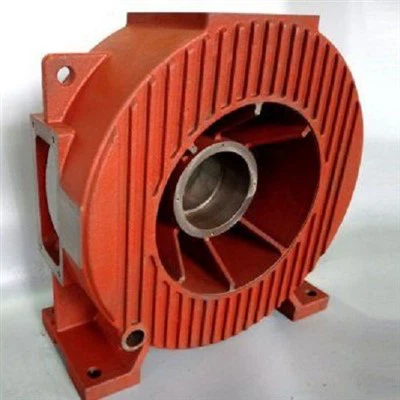
As a supplier of Gearbox Components, I've witnessed firsthand the intricate relationship between gearbox components and the steering system. In this blog, I'll delve into how these components play a crucial role in the steering system's performance, functionality, and overall safety.
The Basics of Gearbox Components and the Steering System
Before we explore the impact of gearbox components on the steering system, let's briefly understand the two systems. A gearbox is a mechanical device that uses gears and gear trains to provide speed and torque conversions from a rotating power source to another device. In the context of vehicles, the gearbox is responsible for transmitting power from the engine to the wheels, adjusting the speed and torque according to the driving conditions.


The steering system, on the other hand, is designed to control the direction of the vehicle. It allows the driver to turn the wheels left or right, enabling smooth and safe navigation on the road. The steering system consists of various components, including the steering wheel, steering column, steering gear, and tie - rods.
How Gearbox Components Affect Steering System Functionality
Torque Transmission
One of the primary ways gearbox components affect the steering system is through torque transmission. The gearbox is responsible for adjusting the torque output from the engine to a level suitable for the steering system. For example, in power - assisted steering systems, the gearbox can provide the necessary torque to make steering easier for the driver. If the gearbox components are worn or damaged, the torque transmission may be inconsistent. This can lead to a situation where the steering feels either too heavy or too light, making it difficult for the driver to control the vehicle accurately.
Gear Ratios
Gear ratios in the gearbox play a vital role in the steering system. Different gear ratios can affect the steering response. A higher gear ratio in the gearbox can result in a more sensitive steering response, meaning that a small turn of the steering wheel will cause a larger turn of the wheels. Conversely, a lower gear ratio will provide a more gradual steering response. The choice of gear ratio depends on the vehicle's design and intended use. For instance, sports cars often have higher gear ratios to provide a more dynamic and responsive steering experience, while larger vehicles like trucks may have lower gear ratios for more stable and controlled steering.
Smoothness of Operation
The quality and condition of gearbox components also impact the smoothness of the steering system. Well - maintained gearbox components ensure that the power transfer from the engine to the steering system is seamless. If the gears in the gearbox are misaligned or have excessive wear, it can cause vibrations and jerks in the steering system. These vibrations not only reduce the driving comfort but can also indicate potential safety issues. For example, a loose or worn gear can cause the steering to become unpredictable, increasing the risk of accidents.
Specific Gearbox Components and Their Impact on the Steering System
Sheave End Cover
The Sheave End Cover is an important component in some gearbox designs. It protects the internal components of the gearbox, such as the sheaves and belts, from dust, dirt, and moisture. In the context of the steering system, a damaged or missing sheave end cover can allow contaminants to enter the gearbox. This can lead to premature wear of the gears and other components, which in turn can affect the steering system's performance. For example, if the sheaves are damaged due to contamination, the power transmission to the steering system may be disrupted, causing the steering to become unresponsive.
Gearbox Components
The Gearbox Components as a whole are the heart of the power - transmission process in relation to the steering system. The gears, shafts, and bearings within the gearbox work together to transfer power from the engine to the steering mechanism. High - quality gearbox components are essential for ensuring a reliable and efficient steering system. For example, precision - machined gears can provide smooth and accurate power transfer, while well - lubricated bearings can reduce friction and wear, enhancing the overall performance of the steering system.
Elevator Traction Machine Housing
Although the Elevator Traction Machine Housing is more commonly associated with elevator systems, in some specialized vehicles or machinery, similar housing concepts can be applied. The housing provides structural support and protection for the gearbox components. A sturdy and well - designed housing can prevent the gearbox components from being damaged by external forces. In the context of the steering system, if the housing is damaged or compromised, it can lead to misalignment of the gearbox components. This misalignment can cause uneven power distribution to the steering system, resulting in erratic steering behavior.
Safety Implications
The relationship between gearbox components and the steering system has significant safety implications. A malfunctioning gearbox can lead to steering failures, which can be extremely dangerous on the road. For example, if the gearbox fails to transmit the correct amount of torque to the steering system, the driver may lose control of the vehicle, especially in critical situations such as high - speed driving or emergency maneuvers. Regular maintenance and inspection of gearbox components are essential to ensure the safety and reliability of the steering system.
Quality Assurance and Our Role as a Supplier
As a supplier of Gearbox Components, we understand the critical role that our products play in the steering system. We are committed to providing high - quality components that meet the strictest industry standards. Our manufacturing processes are designed to ensure precision and durability. We use advanced materials and state - of - the - art manufacturing techniques to produce gearbox components that can withstand the rigors of daily use.
We also offer comprehensive technical support to our customers. Whether it's helping with component selection or providing advice on maintenance, our team of experts is always ready to assist. By choosing our Gearbox Components, you can be confident that you are getting products that will enhance the performance and safety of your steering system.
Conclusion
In conclusion, gearbox components have a profound impact on the steering system. From torque transmission and gear ratios to smoothness of operation, every aspect of the gearbox affects how the steering system functions. The specific components such as the sheave end cover, gearbox components, and elevator traction machine housing all play their part in ensuring a reliable and safe steering system.
If you are in the market for high - quality Gearbox Components for your steering system, we invite you to contact us for a procurement discussion. Our team is eager to help you find the right components for your specific needs.
References
- Automotive Engineering Handbook, SAE International
- Principles of Vehicle Dynamics, Thomas D. Gillespie