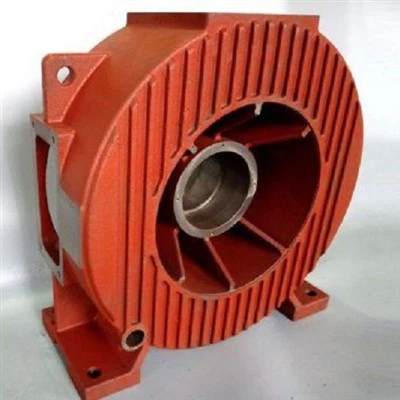
Hey there! As a Machine Bed supplier, I've seen firsthand how crucial ergonomic design is for these machines. In this blog, I'll share some tips on how to improve the ergonomic design of a Machine Bed.


Understanding the Basics of Ergonomic Design
Before we dive into the specific ways to improve the ergonomic design of a Machine Bed, let's quickly go over what ergonomic design is all about. Ergonomic design focuses on creating products that fit the user's needs, capabilities, and limitations. When it comes to a Machine Bed, this means designing it in a way that reduces the risk of injury, increases comfort, and improves overall productivity.
Assessing User Needs
The first step in improving the ergonomic design of a Machine Bed is to understand the needs of the users. Different users may have different requirements based on their height, body type, and the tasks they perform. For example, if the Machine Bed is used for heavy-duty machining, the user may need a more stable and sturdy design. On the other hand, if it's used for precision work, the user may require a more adjustable and precise setup.
To assess user needs, you can conduct surveys, interviews, or observations. Talk to the users directly and ask them about their pain points, preferences, and suggestions for improvement. This will give you valuable insights into what needs to be changed or enhanced in the design.
Adjustability and Flexibility
One of the key aspects of ergonomic design is adjustability. A Machine Bed that can be easily adjusted to fit the user's body position and working requirements is essential. This includes adjustable height, angle, and tilt. For example, a user may need to adjust the height of the Machine Bed to avoid straining their back or neck. By providing multiple adjustment options, you can ensure that the Machine Bed can be customized to meet the needs of different users.
In addition to adjustability, flexibility is also important. A Machine Bed that can be easily reconfigured or adapted for different tasks can increase its versatility and usability. For example, if the Machine Bed can be used for both horizontal and vertical machining, it can save time and space.
Comfort and Support
Another important factor in ergonomic design is comfort and support. A Machine Bed that provides adequate support for the user's body can reduce the risk of fatigue and injury. This includes features such as padded seats, adjustable armrests, and lumbar support.
In addition to physical support, the Machine Bed should also be designed to minimize noise and vibration. Excessive noise and vibration can cause discomfort and fatigue, as well as increase the risk of hearing loss and other health problems. By using high-quality materials and advanced engineering techniques, you can reduce noise and vibration levels and create a more comfortable working environment.
Safety Features
Safety is always a top priority when it comes to machine design. A Machine Bed should be equipped with appropriate safety features to protect the user from potential hazards. This includes features such as guards, interlocks, and emergency stop buttons.
In addition to physical safety features, the Machine Bed should also be designed to prevent operator error. For example, clear and intuitive controls can help reduce the risk of mistakes and accidents.
Material Selection
The choice of materials used in the construction of a Machine Bed can also have a significant impact on its ergonomic design. Materials that are lightweight, durable, and easy to clean are ideal. For example, aluminum and stainless steel are commonly used in Machine Bed construction due to their strength and corrosion resistance.
In addition to the structural materials, the surface materials of the Machine Bed should also be considered. A smooth and non-slip surface can help prevent accidents and improve the user's grip.
Incorporating Technology
Advancements in technology have made it possible to incorporate various features into Machine Beds to improve their ergonomic design. For example, sensors can be used to monitor the user's body position and adjust the Machine Bed accordingly. This can help ensure that the user is always in a comfortable and safe position.
In addition, touchscreen displays and other digital interfaces can make the Machine Bed easier to operate and control. This can reduce the need for manual adjustments and improve the overall user experience.
Conclusion
Improving the ergonomic design of a Machine Bed is essential for reducing the risk of injury, increasing comfort, and improving productivity. By understanding the user's needs, providing adjustability and flexibility, ensuring comfort and support, incorporating safety features, selecting appropriate materials, and leveraging technology, you can create a Machine Bed that meets the highest standards of ergonomic design.
If you're interested in learning more about our Machine Beds or have any questions about ergonomic design, please don't hesitate to contact us for a purchase discussion. We're here to help you find the perfect solution for your needs.
References
- International Ergonomics Association. (n.d.). Ergonomics Basics. Retrieved from [Website URL]
- National Institute for Occupational Safety and Health. (n.d.). Ergonomics. Retrieved from [Website URL]
- OSHA. (n.d.). Ergonomics Program Management Guidelines for Meatpacking Plants. Retrieved from [Website URL]