Hey there, car enthusiasts and mechanics! I'm part of a Car Wheel Assembly supplier, and today I'm stoked to share with you the ins and outs of how to assemble a car wheel correctly. Whether you're a DIYer looking to work on your own ride or a professional mechanic, getting this right is crucial for safety and performance.
Let's start with the basics. Before you even think about putting a wheel together, you need to gather all the necessary components. You'll need the wheel itself, of course, along with the tire, the hub, and various fasteners like bolts or lug nuts. Make sure everything is in good condition and the right size for your vehicle. You can find high - quality parts like Chassis Components and Car Wheel Assembly on our site, which are designed to fit a wide range of cars.
First up, let's talk about the wheel - tire combination. When you're mounting a tire on a wheel, cleanliness is key. Clean both the wheel and the tire bead thoroughly to remove any dirt, grease, or debris. This ensures a proper seal and helps prevent air leaks. You'll also need a good quality tire lubricant. Apply it evenly to the tire bead to make it easier to mount the tire onto the wheel.
Now, using a tire mounting machine (if you have one), start by placing the wheel on the machine. Make sure it's centered properly. Then, carefully lower the tire onto the wheel, aligning the valve stem hole on the wheel with the valve stem on the tire. Use the machine to gradually push the tire bead over the edge of the wheel. It can be a bit of a struggle, but with the right technique and a bit of patience, you'll get it done.
Once the tire is on the wheel, it's time to inflate it. But don't just pump it up to any old pressure. Check your vehicle's manual for the recommended tire pressure. Over - inflating or under - inflating can lead to uneven tire wear, poor handling, and even blowouts. Use a reliable tire pressure gauge to get an accurate reading.
Next, we move on to attaching the wheel to the vehicle. This is where the hub comes in. The hub is the central part of the wheel assembly that connects the wheel to the car's suspension system. Before you install the wheel on the hub, clean the hub surface to remove any rust or dirt. This helps ensure a proper fit and prevents vibrations.
Take your wheel and align the bolt holes on the wheel with the studs on the hub. Carefully slide the wheel onto the hub. Now, it's time to put on the lug nuts or bolts. Start by hand - tightening them to make sure they're threaded correctly. Don't use a wrench just yet. This helps prevent cross - threading, which can be a real pain to fix later on.
Once all the lug nuts or bolts are hand - tightened, it's time to use a torque wrench. A torque wrench is essential because it allows you to tighten the fasteners to the correct torque specification. Over - tightening can damage the wheel or the hub, while under - tightening can cause the wheel to come loose while you're driving, which is extremely dangerous. Check your vehicle's manual for the recommended torque value and use the torque wrench to tighten each fastener evenly. A good technique is to tighten them in a star pattern. This helps distribute the force evenly and ensures that the wheel is properly seated on the hub.
After you've tightened all the fasteners, give the wheel a quick spin. It should rotate smoothly without any wobbling or rubbing. If you notice any issues, double - check the alignment and the tightness of the fasteners.


Now, let's talk about some additional components that are part of the Car Wheel Assembly. You might have a brake rotor attached to the hub. Make sure the brake rotor is clean and in good condition. Any warping or excessive wear can affect the braking performance of your vehicle. If you're replacing the brake rotor along with the wheel assembly, follow the manufacturer's instructions carefully.
Another important component is the wheel bearing. The wheel bearing allows the wheel to rotate smoothly on the hub. It's a good idea to inspect the wheel bearing regularly for signs of wear or damage, such as noise or play. If you suspect a problem with the wheel bearing, it's best to replace it as soon as possible. You can find high - quality wheel bearings as part of our Chassis Components selection.
When it comes to the overall assembly process, it's also important to keep in mind the balance of the wheel. An unbalanced wheel can cause vibrations at high speeds, which can be uncomfortable for the driver and passengers and can also lead to premature tire wear. You can have the wheel balanced at a professional shop using a wheel balancing machine. The machine measures the weight distribution of the wheel and adds small weights to the wheel to correct any imbalances.
In addition to the technical aspects of assembling a car wheel, it's also important to follow safety procedures. Wear appropriate safety gear, such as gloves and safety glasses, when working on the wheel assembly. Make sure the vehicle is properly supported on jack stands to prevent it from falling while you're working on it.
If you're a professional mechanic or a car enthusiast who's looking to source high - quality Car Wheel Assembly components, we've got you covered. Our products are designed to meet the highest standards of quality and performance. Whether you need a complete wheel assembly or just a few replacement parts, we've got a wide range of options available.
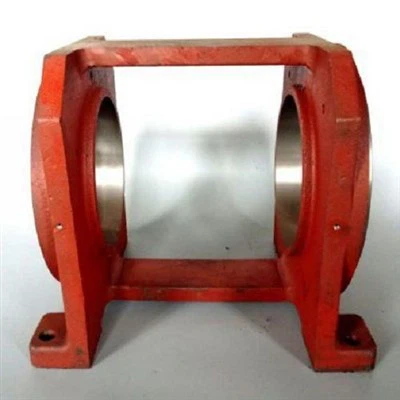
We also offer Gearbox Casing and other automotive parts to help you keep your vehicle in top shape. Our team is always ready to assist you with any questions you might have about our products or the assembly process.
If you're interested in purchasing our products, we'd love to have a chat with you. Reach out to us to start a procurement discussion. We're confident that our products will meet your needs and exceed your expectations.
In conclusion, assembling a car wheel correctly is a multi - step process that requires attention to detail and the right tools. By following the steps outlined in this blog, you can ensure that your wheel assembly is safe, reliable, and performs well. Remember to always use high - quality components and follow the manufacturer's instructions.
References:
- Automotive repair manuals from major car manufacturers
- Industry standards and best practices for wheel assembly