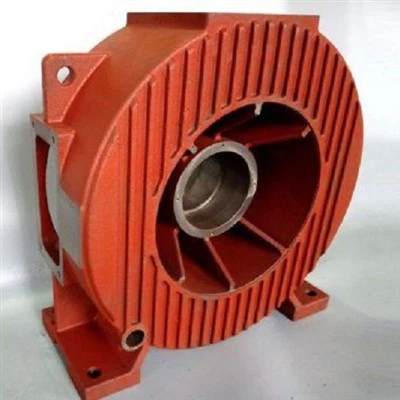
Hey there! As a supplier of gearbox components, I often get asked about the typical weight of these parts. It's a pretty important question, especially for those in the industry who need to know how much these components weigh for various reasons, like transportation, installation, and overall system design.
Let's start by understanding what gearbox components are. A gearbox is a mechanical device that uses gears and gear trains to provide speed and torque conversions from a rotating power source to another device. Some of the common components in a gearbox include gears, shafts, bearings, and housings. Each of these components has a different weight, and the overall weight of the gearbox depends on the size, material, and design of these parts.
Gears
Gears are one of the most important components in a gearbox. They come in different sizes and shapes, and their weight can vary significantly depending on their material and dimensions. For example, a small spur gear made of plastic might weigh only a few grams, while a large helical gear made of steel could weigh several kilograms.
The weight of a gear is mainly determined by its volume and the density of the material it's made from. Steel is a common material for gears because of its high strength and durability. The density of steel is about 7,850 kg/m³. So, if you have a gear with a volume of 0.001 m³, its weight would be approximately 7.85 kg (7,850 kg/m³ x 0.001 m³).
Shafts
Shafts are used to transmit power from one part of the gearbox to another. They are usually made of steel or other strong materials. The weight of a shaft depends on its length, diameter, and material. A longer and thicker shaft will generally weigh more than a shorter and thinner one.
For example, a solid steel shaft with a diameter of 50 mm and a length of 1 meter might weigh around 15.4 kg. This is calculated using the formula for the volume of a cylinder (V = πr²h) and then multiplying by the density of steel.
Bearings
Bearings are used to support the shafts and reduce friction. They come in different types, such as ball bearings and roller bearings. The weight of a bearing depends on its size and the material it's made from.
A small ball bearing might weigh only a few grams, while a large roller bearing could weigh several kilograms. For example, a standard deep groove ball bearing with a bore diameter of 50 mm might weigh around 0.5 kg.


Housings
The housing of a gearbox provides protection and support for the internal components. It is usually made of cast iron or aluminum. Cast iron is heavier than aluminum, but it also has better strength and durability.
The weight of a gearbox housing can vary widely depending on its size and design. A small gearbox housing might weigh a few kilograms, while a large industrial gearbox housing could weigh several hundred kilograms.
Traction Machine Components
Now, let's talk about some specific components related to elevator traction machines. These are important in the elevator industry, and their weight can have a significant impact on the overall performance of the elevator system.
- Traction Machine Housing: The traction machine housing is an important part of the elevator traction machine. It provides protection for the internal components and helps to support the weight of the machine. You can find more information about Traction Machine Housing. The weight of the traction machine housing depends on its size and the material it's made from. A typical traction machine housing made of cast iron might weigh between 100 and 500 kg.
- Cast Iron Counterweight: The cast iron counterweight is used to balance the weight of the elevator car. It helps to reduce the amount of energy required to move the elevator up and down. You can learn more about Cast Iron Counterweight. The weight of the cast iron counterweight is usually determined by the weight of the elevator car and the capacity of the elevator. A typical cast iron counterweight for a small residential elevator might weigh around 500 kg, while a large commercial elevator might have a counterweight that weighs several tons.
- Traction Sheave: The traction sheave is a key component in the elevator traction machine. It is used to transfer the power from the motor to the elevator ropes. You can find more details about Traction Sheave. The weight of the traction sheave depends on its size and the material it's made from. A typical traction sheave made of steel might weigh between 50 and 200 kg.
Factors Affecting the Weight of Gearbox Components
There are several factors that can affect the weight of gearbox components. Some of these factors include:
- Material: As mentioned earlier, the material used to make the component has a significant impact on its weight. Different materials have different densities, so a component made of a heavier material will generally weigh more than one made of a lighter material.
- Size and Dimensions: The size and dimensions of the component also play a role in its weight. A larger component will generally weigh more than a smaller one.
- Design: The design of the component can also affect its weight. For example, a component with a more complex design might require more material, which would increase its weight.
Why Knowing the Weight is Important
Knowing the weight of gearbox components is important for several reasons. Firstly, it helps in transportation. If you need to move a gearbox or its components from one place to another, you need to know how much they weigh to ensure that you have the right equipment and transportation method.
Secondly, it's important for installation. You need to know the weight of the components to ensure that the installation site can support the weight. For example, if you're installing a large gearbox in a building, you need to make sure that the floor can handle the weight.
Finally, knowing the weight of the components is important for overall system design. The weight of the components can affect the performance of the gearbox and the system it's part of. For example, a heavier gearbox might require a more powerful motor to operate.
Contact Us for Your Gearbox Component Needs
If you're in the market for high-quality gearbox components, look no further. As a reliable supplier, we offer a wide range of components with different weights and specifications to meet your specific needs. Whether you need gears, shafts, bearings, or any other gearbox components, we've got you covered.
Don't hesitate to contact us for more information or to discuss your purchasing requirements. We're here to help you find the right components for your application.
References
- Machinery's Handbook, 31st Edition
- Design of Machine Elements, 5th Edition