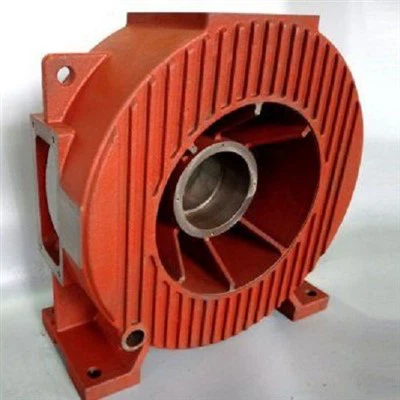
Vibration characteristics play a crucial role in the performance and reliability of mechanical components, especially in the case of gear coupling hubs. As a dedicated supplier of gear coupling hubs, understanding these characteristics is not only essential for product development but also for providing customers with high - quality solutions. In this blog, we will delve into the vibration characteristics of gear coupling hubs, exploring the factors that influence them and their implications for various applications.
Basics of Gear Coupling Hubs
Gear coupling hubs are mechanical devices used to connect two shafts together, allowing the transmission of torque from one shaft to the other. They are commonly used in industrial applications such as power generation, mining, and manufacturing. The design of a gear coupling hub typically consists of two hubs with external teeth that mesh with a sleeve having internal teeth. This meshing mechanism enables the transfer of power while accommodating misalignments between the shafts.
Factors Influencing Vibration in Gear Coupling Hubs
1. Misalignment
One of the primary factors that affect the vibration characteristics of gear coupling hubs is misalignment. Misalignment can occur in three forms: parallel misalignment, angular misalignment, and axial misalignment. Parallel misalignment happens when the axes of the two shafts are parallel but offset from each other. Angular misalignment occurs when the axes of the shafts intersect at an angle, and axial misalignment refers to the displacement of the shafts along their axes.
When there is misalignment, the gear teeth experience uneven loading, which leads to increased vibration. The misaligned condition causes the gear teeth to engage and disengage in an irregular manner, generating dynamic forces that result in vibration. For example, in a high - speed application, even a small amount of misalignment can cause significant vibration, which may lead to premature wear of the gear teeth and other components.
2. Gear Tooth Profile
The profile of the gear teeth also has a significant impact on the vibration characteristics of the gear coupling hub. A well - designed gear tooth profile ensures smooth meshing between the gears, reducing vibration. However, if the gear tooth profile is inaccurate or damaged, it can cause uneven contact between the teeth, leading to vibration.
For instance, if the gear teeth have a rough surface finish or incorrect tooth thickness, the meshing process will be disrupted. This can result in impact forces between the teeth, which are a major source of vibration. In addition, the helix angle of the gear teeth can also affect the vibration. A proper helix angle can help to distribute the load more evenly across the teeth, reducing vibration.
3. Rotational Speed
The rotational speed of the gear coupling hub is another important factor. As the speed increases, the dynamic forces acting on the gears also increase. At high speeds, the centrifugal forces and inertia forces become significant, which can cause the gear coupling hub to vibrate.
For example, in a high - speed industrial application, the gear coupling hub may experience resonance at certain speeds. Resonance occurs when the natural frequency of the system matches the excitation frequency caused by the rotation of the gears. When resonance occurs, the vibration amplitude can increase significantly, which may lead to structural damage and failure of the gear coupling hub.
4. Material Properties
The material properties of the gear coupling hub, such as its hardness, elasticity, and damping capacity, can also influence its vibration characteristics. A material with high hardness can resist wear and deformation, but it may also have a lower damping capacity, which means it is less effective at absorbing vibration.
On the other hand, a material with high elasticity can deform under load and then return to its original shape, which can help to reduce the impact forces and vibration. Damping materials can be used to absorb the energy of vibration, reducing the amplitude of the vibration. For example, some gear coupling hubs are made of composite materials that have good damping properties, which can help to reduce vibration.
Measuring Vibration in Gear Coupling Hubs
To understand the vibration characteristics of gear coupling hubs, it is necessary to measure the vibration. There are several methods for measuring vibration, including accelerometers, displacement sensors, and velocity sensors.
Accelerometers are the most commonly used sensors for measuring vibration. They can measure the acceleration of the gear coupling hub, which is related to the vibration amplitude. Displacement sensors can measure the displacement of the gear coupling hub, which can provide information about the static and dynamic deformation of the hub. Velocity sensors can measure the velocity of the vibration, which is useful for analyzing the frequency content of the vibration.
By measuring the vibration, we can obtain valuable information about the condition of the gear coupling hub. For example, if the vibration amplitude exceeds a certain threshold, it may indicate that there is a problem with the gear coupling hub, such as misalignment, tooth damage, or bearing failure.
Implications of Vibration in Gear Coupling Hubs
Excessive vibration in gear coupling hubs can have several negative implications. Firstly, it can cause premature wear of the gear teeth and other components. The vibration can cause the gear teeth to rub against each other, leading to wear and tear. This can reduce the lifespan of the gear coupling hub and increase the maintenance cost.
Secondly, vibration can also affect the performance of the entire system. In a power transmission system, excessive vibration can cause the system to become unstable, leading to reduced efficiency and increased energy consumption. In addition, vibration can also generate noise, which can be a nuisance in the workplace and may even cause hearing damage to the workers.
Applications and Solutions
Gear coupling hubs are used in a wide range of applications, from small - scale machinery to large - scale industrial equipment. In each application, understanding the vibration characteristics is crucial for ensuring the reliable operation of the equipment.
For example, in a Fan Housing system, the gear coupling hub is used to connect the motor shaft to the fan shaft. If the gear coupling hub vibrates excessively, it can cause the fan to wobble, reducing the efficiency of the fan and increasing the noise level. To solve this problem, proper alignment of the shafts and the use of high - quality gear coupling hubs with good vibration - damping properties are essential.
In a Blower Casing application, the gear coupling hub is responsible for transmitting power from the engine to the blower. Vibration in the gear coupling hub can cause damage to the blower and other components. To minimize vibration, regular maintenance and inspection of the gear coupling hub are necessary. This includes checking the alignment, lubrication, and condition of the gear teeth.


In the case of Grey Cast Iron Products, the gear coupling hubs made of grey cast iron need to be carefully designed and manufactured to ensure good vibration characteristics. Grey cast iron has certain advantages in terms of its damping capacity, but it also needs to be properly heat - treated and machined to achieve the best performance.
Conclusion
As a gear coupling hub supplier, we understand the importance of vibration characteristics in the performance and reliability of our products. By carefully considering the factors that influence vibration, such as misalignment, gear tooth profile, rotational speed, and material properties, we can design and manufacture high - quality gear coupling hubs that meet the needs of our customers.
If you are interested in our gear coupling hubs or have any questions about their vibration characteristics, please feel free to contact us for further discussion and potential procurement. We are committed to providing you with the best solutions and products in the field of mechanical components.
References
- "Mechanical Engineering Design" by Joseph E. Shigley and Charles R. Mischke.
- "Gear Handbook" by Darle W. Dudley.
- "Vibration Analysis for Rotating Machinery" by Robert B. Randall.