Over - inflation, a phenomenon that occurs when the inflation rate in an economy rises at an extremely high and often accelerating pace, can have far - reaching and complex effects on various industries. As a supplier of Chassis Components, I have witnessed firsthand how over - inflation can impact the production, supply, and performance of these crucial automotive parts.
1. Impact on Production Costs
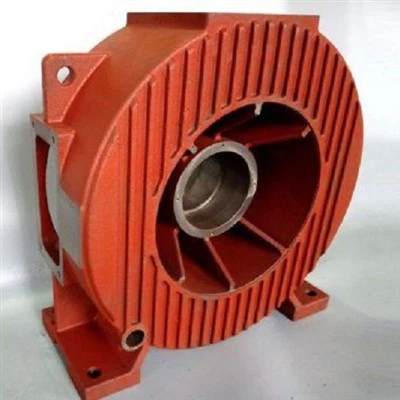
One of the most immediate effects of over - inflation on chassis components is the significant increase in production costs. Raw materials are the building blocks of chassis components, and during periods of over - inflation, the prices of these materials soar. For example, steel, which is a primary material used in the manufacturing of many chassis parts such as Gearbox Casing, experiences sharp price hikes. When the cost of steel increases, it directly raises the cost of producing gearbox casings. This is because the cost of purchasing the steel, as well as the cost of processing and shaping it into the required form, goes up.
In addition to raw materials, energy costs also play a vital role in the production of chassis components. Over - inflation often leads to higher energy prices, as the cost of fuel and electricity rises. Manufacturing processes for chassis components, such as casting, forging, and machining, are energy - intensive. Higher energy costs mean that more money is spent on running the machinery and equipment needed to produce these components. This, in turn, increases the overall production cost.
Labor costs are another factor affected by over - inflation. As the general price level in the economy rises, workers demand higher wages to maintain their standard of living. For a chassis component supplier, this means paying more to its employees. Whether it is the skilled workers on the production line or the administrative staff, everyone expects a wage increase to keep up with inflation. This increase in labor costs further adds to the production expenses.
2. Supply Chain Disruptions
Over - inflation can cause significant disruptions in the supply chain of chassis components. With the rising prices of raw materials and energy, suppliers may face difficulties in procuring the necessary inputs. Some suppliers may reduce their production due to the high cost of production, leading to shortages in the market. For instance, if a supplier of steel for Car Wheel Assembly decides to cut back on production because of high energy costs, it can disrupt the supply of car wheel assemblies.
Transportation is also a crucial part of the supply chain. As fuel prices increase during over - inflation, the cost of transporting chassis components from the manufacturing facility to the customers goes up. This can lead to delays in delivery times, as some transportation companies may reduce their services or increase their rates. Moreover, the uncertainty caused by over - inflation can make it difficult for suppliers to plan their production and inventory levels. They may be hesitant to hold large inventories due to the risk of price fluctuations, which can further disrupt the supply chain.
3. Quality of Chassis Components
The quality of chassis components can be adversely affected by over - inflation. In an attempt to cut costs and remain competitive in the market, some manufacturers may resort to using lower - quality raw materials. For example, they may use a lower - grade steel in the production of gearbox casings to reduce costs. This can result in components that are less durable and more prone to failure.
The production processes may also be compromised. With higher production costs, manufacturers may reduce the time and resources spent on quality control. For instance, they may conduct fewer inspections or use less sophisticated testing equipment. This can lead to an increase in the number of defective chassis components in the market. A defective chassis component can pose serious safety risks to the vehicle and its occupants.
4. Pricing and Market Competition
Over - inflation forces chassis component suppliers to increase their prices. As the cost of production rises, suppliers have no choice but to pass on some of these costs to their customers. However, this can make their products less competitive in the market. Customers may look for alternative suppliers or cheaper substitutes. For example, if a customer is looking for a car wheel assembly and finds that the prices from a particular supplier have increased significantly due to over - inflation, they may choose to buy from a different supplier or opt for a lower - cost alternative.
In a highly competitive market, suppliers may try to absorb some of the cost increases to maintain their market share. This can put pressure on their profit margins. Some suppliers may even be forced out of the market if they are unable to compete with the price increases.
5. Impact on Innovation and R & D
Over - inflation can also have a negative impact on innovation and research and development (R & D) in the chassis component industry. With the high cost of production and the need to focus on maintaining profitability, suppliers may reduce their investment in R & D. Innovation is crucial in the automotive industry, as it allows for the development of more efficient, lightweight, and durable chassis components.
For example, research into new materials or manufacturing processes that could improve the performance of chassis components may be put on hold. This can slow down the technological progress in the industry and limit the ability of suppliers to meet the changing demands of the market.

6. Long - term Consequences for the Automotive Industry
The effects of over - inflation on chassis components can have long - term consequences for the automotive industry as a whole. If the quality of chassis components deteriorates, it can lead to more vehicle breakdowns and safety issues. This can damage the reputation of automotive manufacturers and reduce consumer confidence in the industry.
Moreover, the supply chain disruptions and price increases can make the automotive industry less competitive globally. If other countries are not experiencing the same level of over - inflation, their automotive industries may be able to offer more competitive prices and better - quality products. This can lead to a decline in the market share of domestic automotive manufacturers.
Conclusion
Over - inflation has a profound impact on chassis components, affecting production costs, supply chains, quality, pricing, innovation, and the long - term health of the automotive industry. As a chassis component supplier, it is essential to closely monitor the inflation rate and take proactive measures to mitigate its effects. This may include finding alternative sources of raw materials, improving production efficiency, and investing in research and development to stay competitive.
If you are in the market for high - quality chassis components, we are here to provide you with reliable products. We understand the challenges posed by over - inflation and are committed to delivering value to our customers. Contact us to discuss your procurement needs and explore how we can work together to meet your requirements.
References
- Mankiw, N. G. (2014). Principles of Economics. Cengage Learning.
- Samuelson, P. A., & Nordhaus, W. D. (2010). Economics. McGraw - Hill.