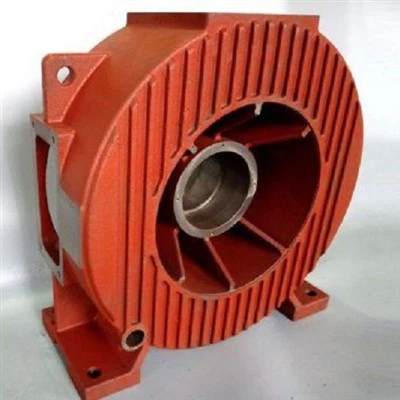
Hey there! As a supplier of Centrifugal Impellers, I've been getting a lot of questions lately about the cost - effectiveness analysis of these nifty little components. So, I thought I'd sit down and write this blog to break it all down for you.
First off, let's talk about what a Centrifugal Impeller is. A Centrifugal Impeller is a key part of a centrifugal pump. It's the spinning thing inside the pump that moves fluid by increasing its velocity. You can learn more about it Centrifugal Impeller.
Now, when it comes to cost - effectiveness analysis, there are a few key factors we need to consider.
Initial Cost
The first thing you'll notice is the initial cost of the Centrifugal Impeller. This can vary depending on the size, material, and design. For example, an impeller made from high - grade stainless steel is going to cost more than one made from a basic cast iron. But the more expensive material might offer better corrosion resistance, which could save you money in the long run.
As a supplier, we offer a range of impellers at different price points. We understand that not everyone has the same budget, so we try to provide options that fit various needs. Whether you're looking for a budget - friendly option for a small - scale project or a high - end impeller for a large industrial application, we've got you covered.
Energy Efficiency
One of the biggest factors in cost - effectiveness is energy efficiency. A well - designed Centrifugal Impeller can significantly reduce the energy consumption of a pump. When an impeller is properly sized and shaped, it can move fluid more efficiently, which means the pump doesn't have to work as hard. This translates to lower electricity bills over time.
Let's say you have a water pump that runs 24/7. A more energy - efficient impeller could save you a substantial amount of money on your energy costs in a year. It's like choosing a fuel - efficient car; you might pay a bit more upfront, but you'll save a ton on gas in the long run.
Maintenance and Durability
Another important aspect is maintenance and durability. A high - quality Centrifugal Impeller is going to last longer and require less maintenance. Cheaper impellers might break down more often, leading to costly repairs and downtime.
For instance, if you're using an impeller in a water treatment plant, a breakdown could disrupt the entire process. That's why investing in a durable impeller is crucial. Our impellers are designed to withstand harsh conditions and have a long service life. We use high - quality materials and advanced manufacturing techniques to ensure that our impellers are reliable.
Compatibility with Other Components
A Centrifugal Impeller doesn't work in isolation. It needs to be compatible with other pump components like the Water Pump Baseplate and the Centrifugal Pump Casing. If the impeller isn't compatible, it can lead to inefficiencies and even damage to the pump.
When you choose our Centrifugal Impellers, we can also provide advice on the best baseplates and casings to use with them. This ensures that the entire pump system works smoothly and efficiently, maximizing cost - effectiveness.
Lifecycle Cost
To really understand the cost - effectiveness of a Centrifugal Impeller, you need to look at the lifecycle cost. This includes the initial purchase price, energy costs, maintenance costs, and the cost of replacement. A cheaper impeller might seem like a good deal at first, but if it breaks down frequently and consumes a lot of energy, it could end up being more expensive in the long run.
We've done the math for you. Our impellers are designed to have a low lifecycle cost. They're energy - efficient, durable, and easy to maintain. This means that over the course of their lifespan, you'll save money compared to lower - quality impellers.
Return on Investment (ROI)
The return on investment is another important metric. When you invest in a high - quality Centrifugal Impeller, you can expect to see a positive ROI. This is because of the savings in energy costs, reduced maintenance, and increased productivity.
For example, if you're running a manufacturing plant and you upgrade to our impellers, you'll notice a decrease in your energy bills and a reduction in pump downtime. This means more production and more profit.
Case Studies
Let me share a couple of case studies to illustrate the cost - effectiveness of our Centrifugal Impellers.


Case Study 1: A small water treatment facility was using a low - quality impeller that was constantly breaking down. They were spending a lot of money on repairs and replacement parts. After switching to our impellers, they saw a significant reduction in maintenance costs. The new impellers were more energy - efficient, which also led to lower electricity bills. In just a year, they recouped their investment and started seeing a profit.
Case Study 2: An industrial plant was looking to improve the efficiency of their pumps. They installed our Centrifugal Impellers and noticed an immediate improvement in pump performance. The energy consumption decreased by 20%, and the pumps ran more smoothly. This led to increased productivity and cost savings.
Conclusion
In conclusion, the cost - effectiveness of a Centrifugal Impeller depends on a variety of factors. When you're considering purchasing an impeller, it's important to look beyond the initial cost and consider the long - term savings. Our Centrifugal Impellers are designed to be energy - efficient, durable, and compatible with other pump components. They offer a low lifecycle cost and a high return on investment.
If you're interested in learning more about our Centrifugal Impellers or have any questions about cost - effectiveness analysis, don't hesitate to reach out. We're here to help you make the best decision for your needs. Whether you're a small business or a large industrial operation, we can provide the right impellers and support to keep your pumps running smoothly.
References
- Smith, J. (2020). "Centrifugal Pump Design and Efficiency." Industrial Pump Journal.
- Johnson, M. (2021). "The Impact of Impeller Design on Pump Performance." Pump Technology Review.