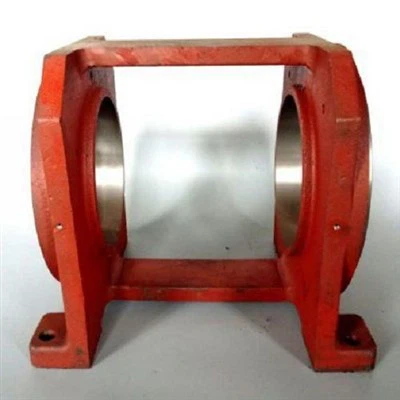
Hey there! As a supplier of Electric Motor Casing, I've been thinking a lot about the relationship between the size of an electric motor casing and its cooling capacity. In this blog, I'll share what I've learned and how it can impact your motor performance.
Let's start with the basics. An electric motor generates heat when it's running. This heat is a by - product of the electrical and mechanical processes happening inside the motor. If this heat isn't properly managed, it can lead to all sorts of problems, like reduced motor efficiency, shorter lifespan, and even motor failure. That's where the cooling capacity of the motor casing comes in.
The size of the motor casing plays a crucial role in determining its cooling capacity. A larger casing generally has a greater surface area. And why is surface area so important? Well, heat transfer occurs through the surface of the casing. The more surface area there is, the more heat can be dissipated into the surrounding environment.
Imagine you have two motors with the same power output. One has a small casing, and the other has a large one. The motor with the larger casing will have an easier time getting rid of heat because it has more surface area for heat to escape. This means that it can operate at a lower temperature, which is great for its overall performance and longevity.
On the other hand, a smaller motor casing has less surface area. This can make it more difficult for heat to be transferred out of the motor. As a result, the motor may run hotter, which can cause issues over time. For example, the insulation inside the motor can degrade faster at higher temperatures, leading to electrical problems.
But it's not just about the surface area. The design of the casing also matters. A well - designed casing can enhance the cooling process. For instance, some casings have fins or ridges on the outside. These features increase the surface area even further and can also improve air circulation around the motor. This helps to carry away the heat more effectively.
Another factor to consider is the material of the casing. Different materials have different thermal conductivities. Metals like aluminum are good conductors of heat. So, if you have an aluminum Electric Motor Casing, it can transfer heat more efficiently than a casing made of a less conductive material.
Now, let's talk about specific applications. In the automotive industry, Automotive Motor Housing needs to be carefully designed to manage heat. Cars operate in a wide range of conditions, from hot summer days to cold winter nights. A properly sized and designed motor casing can ensure that the motor in a car runs smoothly and efficiently.


In industrial settings, large motors are often used to power heavy machinery. These motors generate a significant amount of heat. A large and well - designed casing is essential to keep the motor cool and prevent overheating. This not only helps to maintain the performance of the machinery but also reduces the risk of breakdowns and costly repairs.
The Motor End Cover also plays a role in the cooling process. It can help to seal the motor and prevent dust and debris from entering, which can affect the cooling efficiency. A good end cover can also contribute to the overall structural integrity of the motor casing.
When it comes to choosing the right size of the motor casing, it's important to consider the power rating of the motor. A higher - power motor will generate more heat, so it will typically require a larger casing to ensure proper cooling. You also need to think about the environment in which the motor will operate. If it's in a hot and humid area, a larger casing or a casing with better cooling features may be necessary.
As a supplier, I've seen firsthand how the right motor casing can make a big difference in motor performance. We offer a wide range of Electric Motor Casing sizes and designs to meet different needs. Whether you're in the automotive, industrial, or any other sector, we can help you find the perfect casing for your motor.
If you're in the market for an electric motor casing and want to learn more about how the size impacts cooling capacity, or if you're just looking for the right casing for your application, don't hesitate to reach out. We're here to answer your questions and help you make the best decision for your motor.
In conclusion, the size of an electric motor casing has a direct impact on its cooling capacity. A larger casing generally provides better cooling due to its increased surface area, but other factors like design and material also play important roles. By choosing the right casing, you can ensure that your motor runs efficiently and has a long lifespan.
References
- "Electric Motor Handbook" - A comprehensive guide on electric motors and their components.
- "Thermal Management in Electric Motors" - A research paper on the importance of cooling in electric motors.