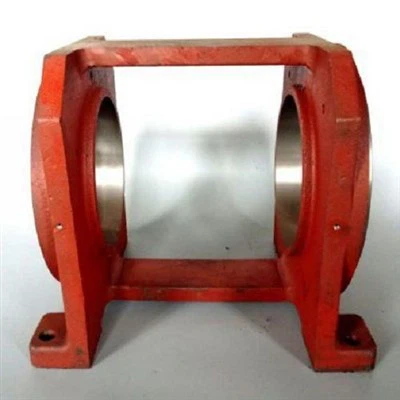
As a supplier of Gearbox Components, I've had the privilege of working closely with these intricate pieces of machinery. Disassembling gearbox components is a task that requires precision, knowledge, and the right tools. In this blog, I'll share a detailed guide on how to disassemble gearbox components, drawing from my experiences in the industry.
Pre - disassembly Preparations
Before you start taking apart a gearbox, it's crucial to gather all the necessary tools. You'll typically need a set of wrenches, sockets, screwdrivers, a gear puller, a mallet, and a workbench with a vise. Safety should always be your top priority. Wear appropriate safety gear such as gloves and safety glasses to protect yourself from sharp edges and flying debris.
It's also a good idea to have a clean and organized workspace. Lay out a large piece of cardboard or a tray where you can place the disassembled parts. This will help you keep track of everything and prevent small components from getting lost. Additionally, take some time to study the gearbox's manual if available. Understanding the design and the function of each part will make the disassembly process much smoother.
Draining the Lubricant
The first step in disassembling a gearbox is to drain the lubricant. Locate the drain plug at the bottom of the gearbox. Place an appropriate container beneath the plug to catch the oil. Use a wrench to loosen the drain plug and let the oil drain completely. This step is important not only to prevent a mess but also because the lubricant can be reused or properly disposed of. Once the oil has drained, clean the drain plug and reinstall it.
Removing the Outer Covers
Most gearboxes have outer covers that protect the internal components. These covers are usually held in place by bolts. Use the appropriate socket or wrench to remove these bolts. Start from the outer edges and work your way in, loosening the bolts gradually. As you remove the bolts, keep them organized in the tray or on the cardboard. Once all the bolts are removed, carefully lift off the outer cover. You may need to use a mallet to gently tap the cover if it's stuck.
Taking Out the Shafts and Gears
After removing the outer covers, you'll have access to the shafts and gears inside the gearbox. Some shafts may be held in place by retaining rings or snap - rings. Use a pair of snap - ring pliers to remove these rings. Next, you'll need to remove the gears from the shafts. This can be a tricky process, especially if the gears are press - fit onto the shafts.
A gear puller is a useful tool for this task. Place the gear puller around the gear and adjust the arms so that they are firmly against the gear. Slowly turn the central screw of the gear puller. As you turn the screw, the gear puller will exert pressure on the gear, gradually pulling it off the shaft. Be careful not to apply too much force too quickly, as this could damage the gear or the shaft.
Disassembling the Bearings
Bearings are another important component of the gearbox. They support the shafts and allow them to rotate smoothly. To remove the bearings, you'll first need to identify how they are secured. Some bearings are held in place by retaining rings, while others may be press - fit into the housing.
If the bearing is held by a retaining ring, use snap - ring pliers to remove it. For press - fit bearings, you may need to use a bearing puller or a hydraulic press. A bearing puller works in a similar way to a gear puller, applying pressure to the bearing to remove it from the shaft or housing. If using a hydraulic press, make sure to follow all safety procedures and apply the pressure evenly.
Inspecting the Components
Once you've disassembled all the gearbox components, it's a good time to inspect them for wear and damage. Look for signs of excessive wear on the gears, such as pitting, scoring, or tooth breakage. Check the shafts for any signs of bending or cracking. Inspect the bearings for smooth rotation and any signs of damage to the races or balls.
If you find any damaged components, it's important to replace them. As a Gearbox Components supplier, I can provide you with high - quality replacement parts that meet industry standards.
Reassembly Considerations
When it comes time to reassemble the gearbox, it's important to follow the disassembly process in reverse order. Make sure all the components are clean and free of debris before reinstalling them. Apply a thin layer of lubricant to the shafts, gears, and bearings to ensure smooth operation.
Tighten all the bolts and screws to the specified torque values. Over - tightening can cause damage, while under - tightening can lead to loose components and potential failure.
Related Components in the System
Gearboxes are often part of a larger system, such as an elevator traction machine. In an elevator traction machine, components like the Machine Bed and Traction Sheave work in conjunction with the gearbox. Understanding the relationship between these components can help in the proper disassembly and maintenance of the entire system.
The machine bed provides a stable foundation for the traction machine, including the gearbox. It's important to ensure that the machine bed is level and secure during disassembly and reassembly. The traction sheave is responsible for transferring the power from the gearbox to the elevator ropes. Inspecting the traction sheave for wear and proper alignment is also crucial for the safe and efficient operation of the elevator.
Conclusion
Disassembling gearbox components is a complex but manageable task if you follow the right steps. By taking the time to prepare, using the right tools, and being careful throughout the process, you can successfully disassemble and inspect your gearbox. Whether you're a maintenance technician, a DIY enthusiast, or a professional in the industry, understanding how to disassemble gearbox components is an important skill.


If you're in need of high - quality Gearbox Components for your projects, I encourage you to reach out for procurement discussions. I'm here to provide you with the best products and support to meet your needs.
References
- "Gearbox Design and Maintenance Handbook"
- Manufacturer's manuals for various gearbox models