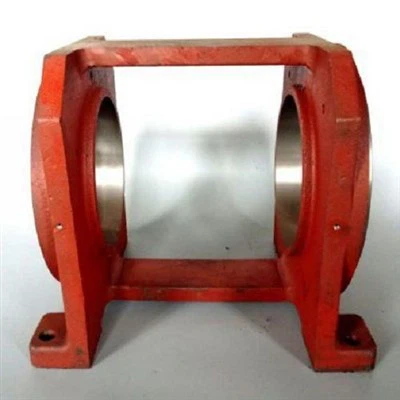
Cleaning a fan housing in hard-to-reach areas can be a real pain in the neck, but it's super important to keep your fans working at their best. As a fan housing supplier, I've seen firsthand how neglected fan housings can lead to all sorts of problems. So, in this post, I'm gonna share some tips and tricks on how to get those hard-to-reach spots clean.
Why Cleaning Fan Housings Matters
First off, let's talk about why it's so important to clean fan housings. Over time, dust, dirt, and debris can build up inside the housing. This not only makes your fan less efficient but can also cause it to overheat. A dirty fan housing can also lead to increased noise and vibration, which can be really annoying, especially if it's in a living or working space.
Moreover, if you're using fans in industrial settings, a dirty housing can even pose a safety risk. Dust and debris can act as fuel for fires, and the accumulated grime can also lead to mechanical failures that could cause accidents. So, regular cleaning is a must!
Tools You'll Need
Before you start cleaning, you'll need to gather the right tools. Here's a list of what you'll typically need:
- Compressed Air Canister: This is great for blowing out dust from hard-to-reach areas. You can find these at most hardware stores.
- Long-Handle Brush: A brush with a long handle will help you reach deep into the housing without having to disassemble it.
- Microfiber Cloths: These are gentle on the housing surface and can effectively wipe away dust and dirt.
- Mild Detergent: For a more thorough clean, you might need a mild detergent. Make sure it's safe for the material of your fan housing.
- Safety Gear: Gloves and safety glasses are a must to protect your hands and eyes from dust and cleaning agents.
Step-by-Step Cleaning Process
Step 1: Power Down the Fan
This is the most important step. Before you start cleaning, make sure the fan is completely turned off and unplugged. This will prevent any accidents while you're working on the housing.


Step 2: Remove Loose Debris
Use the compressed air canister to blow out any loose dust and debris from the fan housing. Hold the canister at a safe distance and use short bursts of air to avoid pushing the dirt further into the housing. Pay special attention to areas around the blades and intake vents.
Step 3: Brush the Hard-to-Reach Areas
Take the long-handle brush and gently scrub the hard-to-reach areas of the housing. This will help loosen any stubborn dirt and grime. You can use the brush to reach into corners, behind the blades, and along the edges of the housing.
Step 4: Wipe the Surface
Dampen a microfiber cloth with a small amount of mild detergent and water. Wipe down the surface of the fan housing, including the areas you brushed earlier. Make sure to wring out the cloth well so it's not too wet. This will prevent any water from getting into the electrical components of the fan.
Step 5: Rinse and Dry
If you used a detergent, rinse the cloth with clean water and wipe down the housing again to remove any soap residue. Then, use a dry microfiber cloth to dry the housing thoroughly.
Special Considerations for Different Types of Fan Housings
Metal Fan Housings
Metal fan housings are durable but can be prone to rust if not properly cleaned and maintained. When cleaning a metal housing, make sure to dry it completely to prevent rusting. You can also apply a thin layer of metal polish to protect the surface.
Plastic Fan Housings
Plastic fan housings are lightweight and easy to clean. However, they can scratch easily, so be gentle when using brushes or other cleaning tools. Avoid using harsh chemicals that could damage the plastic.
Industrial Fan Housings
Industrial fans often have larger and more complex housings. In some cases, you may need to disassemble the housing for a more thorough cleaning. If you're not sure how to do this, it's best to consult the manufacturer's instructions or hire a professional.
Using the Right Components for Fan Housings
When it comes to fan housings, using high-quality components is crucial. Here are some components that you might find useful:
- Mechanical Bracket: A sturdy mechanical bracket can help secure the fan housing in place, reducing vibration and noise.
- Cast Iron Gearbox Housing: If your fan has a gearbox, a cast iron gearbox housing can provide excellent protection and durability.
- Gear Coupling Hub: This component can help transmit power efficiently between the motor and the fan blades.
Conclusion
Cleaning a fan housing in hard-to-reach areas may seem like a daunting task, but with the right tools and techniques, it can be done easily. Regular cleaning not only improves the performance and lifespan of your fans but also ensures a safer and more comfortable environment.
If you're in the market for high-quality fan housings or any of the components mentioned above, feel free to reach out to us. We're here to help you find the best solutions for your needs. Whether you're a homeowner looking for a simple fan or an industrial client in need of a large-scale ventilation system, we've got you covered.
References
- General knowledge of fan maintenance and component usage.
- Experience as a fan housing supplier.