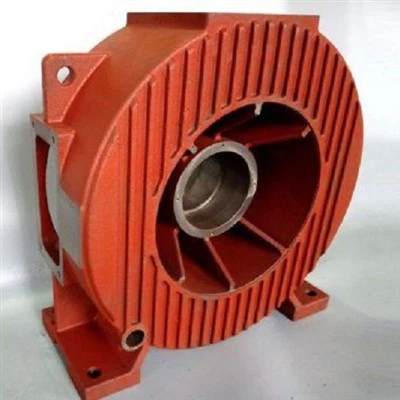
Hey there! As a proud supplier of Gearbox Casing, I've seen it all when it comes to these crucial automotive components. A gearbox casing plays a vital role in protecting the internal gears, bearings, and other moving parts of a transmission system. That's why proper maintenance is super important to ensure its longevity and performance. In this blog, I'll share some practical tips on how to maintain a gearbox casing.
Understanding the Gearbox Casing
First things first, let's talk a bit about what a gearbox casing is. It's essentially a housing that encloses the gears and other components of a gearbox. It's made from various materials, but one common option is Grey Cast Iron Automotive Parts. Grey cast iron is a great choice because it offers good strength, durability, and vibration damping properties.
The gearbox casing has to withstand a lot of stress and pressure. It deals with the high - speed rotation of gears, the transfer of power, and sometimes even harsh environmental conditions. That's why a well - maintained casing is essential for the overall health of the gearbox.
Regular Inspection
One of the most important steps in maintaining a gearbox casing is regular inspection. You should visually examine the casing for any signs of damage, such as cracks, chips, or dents. These can occur due to impacts, excessive vibrations, or thermal stress. If you spot any visible damage, it's crucial to address it right away.
You'll also want to check for any signs of leakage. Gearboxes rely on lubricants to reduce friction and wear between the moving parts. A leak in the casing can lead to a loss of lubricant, which can then cause excessive wear and overheating. Look for oily spots around the casing, especially near the seals and gaskets.
Another aspect of inspection is checking the alignment of the casing. Misalignment can cause uneven stress on the gears and other components, leading to premature failure. Ensure that the casing is properly mounted and that all the bolts and fasteners are tight and secure.
Cleaning the Gearbox Casing
Keeping the gearbox casing clean is also an important part of maintenance. Over time, dirt, dust, and debris can accumulate on the surface of the casing. This not only makes the casing look dirty but can also potentially cause problems. For example, dirt can work its way into the seals and gaskets, leading to leaks.
To clean the gearbox casing, you can use a mild detergent and a soft brush. Avoid using abrasive cleaners or high - pressure washers, as these can damage the surface of the casing. After cleaning, make sure to dry the casing thoroughly to prevent rust and corrosion.
Lubrication Checks
As I mentioned earlier, lubrication is crucial for the proper functioning of a gearbox. The lubricant not only reduces friction but also helps to dissipate heat. Part of maintaining the gearbox casing involves monitoring the lubricant levels.
Check the lubricant at regular intervals according to the manufacturer's recommendations. If the level is low, top it up with the recommended type of lubricant. It's also important to change the lubricant periodically. Over time, the lubricant can break down and lose its effectiveness, so fresh lubricant is essential for optimal performance.
When changing the lubricant, pay close attention to the condition of the oil filter (if the gearbox has one). A clogged filter can restrict the flow of lubricant, leading to problems. Replace the filter as needed.
Seal and Gasket Maintenance
Seals and gaskets are vital components of the gearbox casing. They prevent lubricant from leaking out and keep contaminants from getting in. Over time, these seals and gaskets can wear out, harden, or crack.
Inspect the seals and gaskets regularly for signs of damage. If you notice any problems, replace them immediately. Using high - quality replacement seals and gaskets is crucial to ensure a proper fit and long - lasting performance.


Temperature Monitoring
Monitoring the temperature of the gearbox casing is another important maintenance step. Excessive heat can cause the lubricant to break down more quickly and can also lead to thermal expansion of the casing, which can cause cracks.
You can use a temperature sensor or an infrared thermometer to check the temperature of the casing. If the temperature is consistently higher than normal, it could indicate a problem with the lubrication, overloading, or a mechanical issue inside the gearbox. Investigate the cause and take corrective action as soon as possible.
Protecting the Casing from the Environment
The environment can have a significant impact on the condition of the gearbox casing. If the vehicle is used in harsh environments, such as dusty or corrosive conditions, extra precautions need to be taken.
For example, if the vehicle operates in a dusty area, you may want to consider using a dust cover or a skid plate to protect the casing from debris. In a corrosive environment, such as near the coast, applying a protective coating to the casing can help prevent rust and corrosion.
Alignment with Other Chassis Components
The gearbox casing doesn't operate in isolation. It's part of the larger chassis system. Ensuring proper alignment between the gearbox casing and other chassis components is essential for smooth operation.
Misalignment can cause excessive vibrations and stress on the casing, leading to premature wear and damage. Regularly check the alignment of the gearbox with other components such as the engine, driveshafts, and axles. If any misalignment is detected, have it corrected by a professional.
Conclusion
Maintaining a gearbox casing is a multi - faceted task that requires regular inspection, cleaning, lubrication checks, and attention to various other factors. By following these tips, you can extend the lifespan of the gearbox casing and ensure the optimal performance of the gearbox.
If you're in the market for high - quality Gearbox Casing or have any questions about gearbox maintenance, I'd love to have a chat with you. Feel free to reach out for a procurement discussion. We're here to help you keep your vehicles running smoothly.
References
- Automotive Engineering Handbook: Gearbox Systems
- Manufacturer's Manuals for Gearbox Components