Hey there, fellow car enthusiasts! As a supplier in the car wheel assembly game, I'm here to chat about one of the most crucial aspects of vehicle safety and performance: the standard torque for car wheel assembly. You might be thinking, "Torque? What's that, and why does it matter?" Well, stick around, and I'll break it down for you.
First off, let's get the basics straight. Torque is basically a measure of the force that causes an object to rotate. In the context of car wheel assembly, it's the amount of force you apply to tighten the lug nuts on your wheels. This force is super important because it keeps your wheels securely attached to your vehicle. If the torque is too low, the wheels can come loose while you're driving, which is obviously a major safety hazard. On the other hand, if the torque is too high, you can damage the wheel, the lug nuts, or even the vehicle's hub.
So, what's the standard torque for car wheel assembly? Well, there's no one - size - fits - all answer. The ideal torque value can vary depending on several factors.
Factors Affecting Torque Requirements
1. Vehicle Type
Different vehicles have different torque requirements. For example, a small compact car will typically have a lower torque requirement compared to a large SUV or a heavy - duty truck. Compact cars usually have smaller wheels and lug nuts, so they don't need as much force to keep the wheels in place. On the other hand, larger vehicles carry more weight, and their wheels need to be tightened more securely.
2. Wheel Material
The material of the wheel also plays a role. Aluminum wheels, for instance, are more prone to damage from over - tightening than steel wheels. Aluminum is a softer metal, so it can deform more easily under excessive torque. Steel wheels, being more robust, can handle a bit more force.
3. Lug Nut Size and Type
The size and type of lug nuts used on the wheel assembly matter too. Larger lug nuts generally require more torque to tighten properly. Also, different types of lug nuts, such as conical seat or ball seat lug nuts, may have different torque specifications.
Finding the Right Torque Value
So, how do you figure out the right torque for your car's wheel assembly? The best place to start is your vehicle's owner's manual. The manufacturer knows their vehicle inside out and will provide the recommended torque values for your specific make and model. It's like having a personalized guide to keeping your wheels safe.
If you don't have the owner's manual handy, you can also check with the wheel manufacturer. They can give you accurate information based on the design and specifications of the wheels. And if all else fails, you can always consult a professional mechanic. They have the experience and knowledge to determine the correct torque for your vehicle.
The Importance of Proper Torque
Proper torque is not just about safety; it also affects the performance of your vehicle. When the wheels are tightened to the correct torque, they rotate smoothly, which reduces wear and tear on the tires and other Automotive Brake System Components. This means your tires will last longer, and you'll save money in the long run.
Moreover, correct torque helps maintain the alignment of your wheels. Misaligned wheels can cause uneven tire wear, poor handling, and increased fuel consumption. By ensuring the right torque, you're keeping your vehicle running at its best.
Tools for Measuring Torque
To apply the correct torque, you'll need a torque wrench. There are different types of torque wrenches available, such as click - type, beam - type, and digital torque wrenches.
A click - type torque wrench is the most common. It makes a clicking sound when the preset torque value is reached, letting you know you've tightened the lug nut enough. Beam - type torque wrenches use a pointer on a scale to show the applied torque. Digital torque wrenches are more high - tech and display the torque value on a screen.
No matter which type of torque wrench you choose, make sure it's calibrated regularly to ensure accurate readings.
Our Role as a Car Wheel Assembly Supplier
As a car wheel assembly supplier, we understand the importance of proper torque. That's why we provide detailed information about the torque requirements for the wheels we supply. We work closely with manufacturers to ensure that our wheels meet the highest standards of quality and safety.


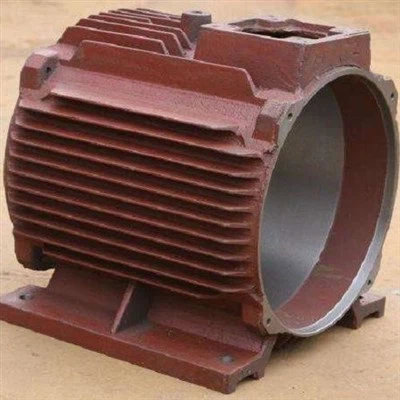
We also offer a wide range of Chassis Components and Gearbox Casing to complement our wheel assemblies. Our goal is to provide you with everything you need to keep your vehicle in top condition.
How to Assemble Wheels with the Right Torque
Here's a step - by - step guide on how to assemble your wheels with the correct torque:
- Prepare the Wheel and Hub: Make sure the wheel and the hub are clean and free of any debris. This ensures a proper fit and accurate torque application.
- Install the Lug Nuts: Hand - tighten the lug nuts onto the wheel studs. Don't use a wrench yet; just get them snug.
- Use a Torque Wrench: Set your torque wrench to the recommended torque value. Start tightening the lug nuts in a star pattern. This helps distribute the force evenly and prevents the wheel from warping.
- Check the Torque: After tightening all the lug nuts, go back and check the torque on each one to make sure they're all at the correct value.
Conclusion
In conclusion, the standard torque for car wheel assembly is a critical factor in vehicle safety and performance. It's not something to be taken lightly. By understanding the factors that affect torque requirements, using the right tools, and following the proper assembly procedures, you can ensure that your wheels are securely attached and your vehicle runs smoothly.
If you're in the market for high - quality car wheel assemblies, Chassis Components, or Gearbox Casing, we're here to help. We're committed to providing you with the best products and services. If you have any questions or want to discuss your specific needs, don't hesitate to reach out. We're always happy to have a chat and see how we can assist you in your vehicle maintenance and upgrade projects.
References
- Various vehicle owner's manuals
- Industry standards and guidelines for car wheel assembly
- Manufacturer specifications for wheels, lug nuts, and other components