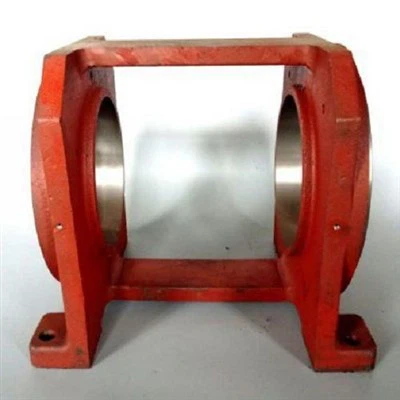
What are the design principles of a mechanical bracket? Well, let me tell you, as a mechanical bracket supplier, I've been in the thick of it for quite a while, and I've learned a thing or two about what goes into designing these crucial components.
First off, functionality is king. A mechanical bracket has to do its job, plain and simple. It needs to support whatever it's holding up, whether it's a piece of machinery, a pipe, or some other equipment. This means understanding the load it will bear. You've got to figure out the weight, the direction of the forces, and any dynamic loads that might come into play. For example, if it's a bracket for a heavy - duty industrial machine, you need to account for vibrations and shocks that could occur during operation.
Another key principle is material selection. The right material can make or break a bracket. Different materials have different properties, like strength, corrosion resistance, and weight. For instance, steel is a popular choice because it's strong and relatively inexpensive. But if you're in a corrosive environment, you might want to go with stainless steel or aluminum. And if weight is a concern, like in aerospace applications, you could look at composites.
When it comes to the actual design of the bracket, simplicity is often best. A simple design is easier to manufacture, which can save time and money. It also reduces the chances of failure. You don't want a bracket with a bunch of complex curves and features that are difficult to machine or that could weaken the structure. A well - designed bracket should have a clean, straightforward shape that can handle the load efficiently.
Fit and compatibility are also super important. The bracket has to fit perfectly with the equipment it's attached to. This means getting the dimensions right, both in terms of the mounting holes and the overall shape. You don't want a bracket that's too big or too small, or one that doesn't line up properly. It's like trying to put a square peg in a round hole – it just won't work.
Now, let's talk about some of the other mechanical components that are related to brackets. For example, Gear Coupling Hub. These are used to connect two shafts together, and they need to be properly supported by brackets. The design of the bracket for a gear coupling hub has to take into account the torque and the alignment of the shafts.
Grey Iron Casting Parts are another important aspect. Grey iron is often used in the manufacturing of brackets because it has good casting properties and can be made into complex shapes. When designing a bracket using grey iron casting parts, you need to consider the shrinkage and porosity that can occur during the casting process.
Blower Casing is yet another component that might need a bracket. The bracket for a blower casing has to be designed to withstand the high - speed air flow and the vibrations generated by the blower. It also needs to be easy to install and remove for maintenance.
In addition to these technical aspects, aesthetics can also play a role in the design of a mechanical bracket. While it might not be the most important factor, a well - designed bracket can look good and give your equipment a more professional appearance.
When it comes to the manufacturing process, precision is key. You need to make sure that the bracket is made to the exact specifications. This might involve using advanced machining techniques, like CNC machining, to ensure accuracy. And quality control is essential. You've got to inspect each bracket to make sure it meets the required standards.
Cost - effectiveness is also a major consideration. You want to design a bracket that is not only functional but also affordable. This means finding the right balance between the cost of materials, the manufacturing process, and the overall performance. You don't want to over - engineer the bracket and end up spending more than necessary.


As a mechanical bracket supplier, I'm always looking for ways to improve the design of our brackets. We work closely with our customers to understand their needs and come up with the best solutions. Whether it's a custom - designed bracket for a specific application or a standard bracket for a common use, we're committed to providing high - quality products.
If you're in the market for mechanical brackets or any of the related components like gear coupling hubs, grey iron casting parts, or blower casings, I'd love to have a chat with you. We can discuss your requirements, go over the design principles, and find the best solution for your needs. Don't hesitate to reach out and start the conversation about your procurement.
References
- "Mechanical Design Handbook" - A comprehensive guide on mechanical design principles.
- "Materials Science for Engineers" - Covers material selection and properties relevant to mechanical components.