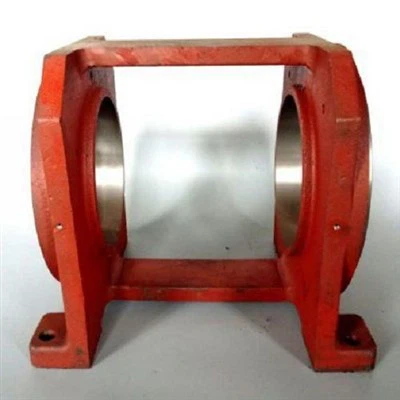
What are the different types of mechanical enclosures?
Mechanical enclosures play a crucial role in various industries, providing protection, support, and functionality for mechanical components. As a mechanical enclosure supplier, I have extensive knowledge of the different types of enclosures available in the market. In this blog post, I will discuss the various types of mechanical enclosures, their features, and applications.
1. Wall - Mounted Enclosures
Wall - mounted enclosures are a popular choice in many industrial and commercial settings. These enclosures are designed to be attached to a wall, saving floor space and providing easy access to the enclosed components. They are typically made of materials such as steel, aluminum, or plastic.
Steel wall - mounted enclosures are known for their durability and strength. They can withstand harsh environments, including high - temperature and high - humidity conditions. These enclosures are often used in industrial facilities where protection against dust, dirt, and water is essential. For example, in a manufacturing plant, steel wall - mounted enclosures can house electrical control panels, protecting them from the harsh factory environment.


Aluminum wall - mounted enclosures are lightweight and corrosion - resistant. They are suitable for applications where weight is a concern, such as in aerospace or automotive industries. Aluminum enclosures also offer good heat dissipation properties, making them ideal for housing components that generate heat, like electronic devices.
Plastic wall - mounted enclosures are cost - effective and easy to install. They are often used in less demanding environments, such as office settings or small - scale industrial applications. Plastic enclosures can be easily customized with cut - outs for switches, connectors, and other components.
2. Floor - Standing Enclosures
Floor - standing enclosures are larger and more robust than wall - mounted enclosures. They are designed to stand on the floor and can house a large number of components. These enclosures are commonly used in industrial plants, data centers, and telecommunications facilities.
Steel floor - standing enclosures are the most common type. They offer high - level protection against physical damage, dust, and water. They can be equipped with features such as ventilation systems, cable management, and locking mechanisms. In a data center, for instance, a steel floor - standing enclosure can house servers, networking equipment, and power supplies, providing a secure and organized environment.
Some floor - standing enclosures are designed with a modular structure, allowing for easy expansion and customization. This is particularly useful in industries where the need for additional components may arise over time.
3. Rack - Mount Enclosures
Rack - mount enclosures are designed to fit into standard equipment racks. They are commonly used in data centers, telecommunications rooms, and server rooms. These enclosures are available in various sizes and configurations to accommodate different types of equipment.
Rack - mount enclosures are typically made of steel or aluminum. They offer a high degree of organization and can house multiple components, such as servers, switches, and storage devices. The enclosures are designed to provide proper ventilation and cable management, ensuring the efficient operation of the equipment.
Many rack - mount enclosures come with features such as adjustable mounting rails, locking doors, and cable management channels. These features make it easy to install, maintain, and upgrade the equipment. For example, in a large - scale data center, rack - mount enclosures can be used to house hundreds of servers, providing a centralized and efficient way to manage the data center infrastructure.
4. Outdoor Enclosures
Outdoor enclosures are designed to protect mechanical and electrical components from the elements. They are used in a variety of applications, including telecommunications, power distribution, and traffic control.
These enclosures are typically made of materials that can withstand extreme weather conditions, such as stainless steel, fiberglass, or polycarbonate. Stainless steel outdoor enclosures are highly durable and corrosion - resistant, making them suitable for coastal areas or other environments with high levels of moisture. Fiberglass enclosures are lightweight and offer good insulation properties, while polycarbonate enclosures are impact - resistant and provide good visibility.
Outdoor enclosures often come with features such as weatherproof seals, ventilation systems, and heating or cooling units. These features ensure that the enclosed components are protected from rain, snow, UV radiation, and temperature extremes. For example, in a telecommunications tower, an outdoor enclosure can house communication equipment, protecting it from the harsh outdoor environment.
5. Specialized Enclosures
In addition to the common types of enclosures mentioned above, there are also specialized enclosures designed for specific applications.
- Explosion - Proof Enclosures: These enclosures are used in hazardous environments where there is a risk of explosion. They are designed to prevent the ignition of flammable gases or dust. Explosion - proof enclosures are typically made of thick - walled steel and are sealed to prevent the escape of sparks or flames. They are commonly used in industries such as oil and gas, chemical, and mining.
- Medical Enclosures: Medical enclosures are designed to meet the strict requirements of the medical industry. They are made of materials that are easy to clean and disinfect, and they often have features such as electromagnetic shielding to protect sensitive medical equipment. Medical enclosures are used in hospitals, clinics, and research facilities.
- Food - Grade Enclosures: These enclosures are used in the food and beverage industry. They are made of materials that are safe for contact with food and are designed to be easy to clean and maintain. Food - grade enclosures are typically made of stainless steel or food - grade plastic.
Related Products
As a mechanical enclosure supplier, we also offer a range of related products. For example, our UCP Bearing Housing is designed to provide support and protection for bearings in various applications. Our Grey Iron Casting Parts are known for their high strength and durability, and they are widely used in mechanical engineering. Additionally, our Industrial Gears are designed to transmit power and motion in industrial machinery.
Conclusion
Choosing the right type of mechanical enclosure is essential for ensuring the proper functioning and protection of mechanical components. Whether it's a wall - mounted enclosure for a small office or a large floor - standing enclosure for an industrial plant, there is a wide range of options available to meet different needs. As a mechanical enclosure supplier, we are committed to providing high - quality enclosures and related products to our customers.
If you are in need of mechanical enclosures or related products, we encourage you to contact us for procurement and further discussion. We have a team of experts who can help you select the right enclosure for your specific application and provide you with the best solutions.
References
- "Mechanical Enclosure Design Handbook" by John Doe
- "Industrial Enclosures: Principles and Applications" by Jane Smith
- Various industry standards and specifications related to mechanical enclosures.